Getting started with wood carving? Understanding your tools is the first step! Whether you’re looking to make simple designs or tackle more intricate projects, knowing your tools will make the whole process more enjoyable.
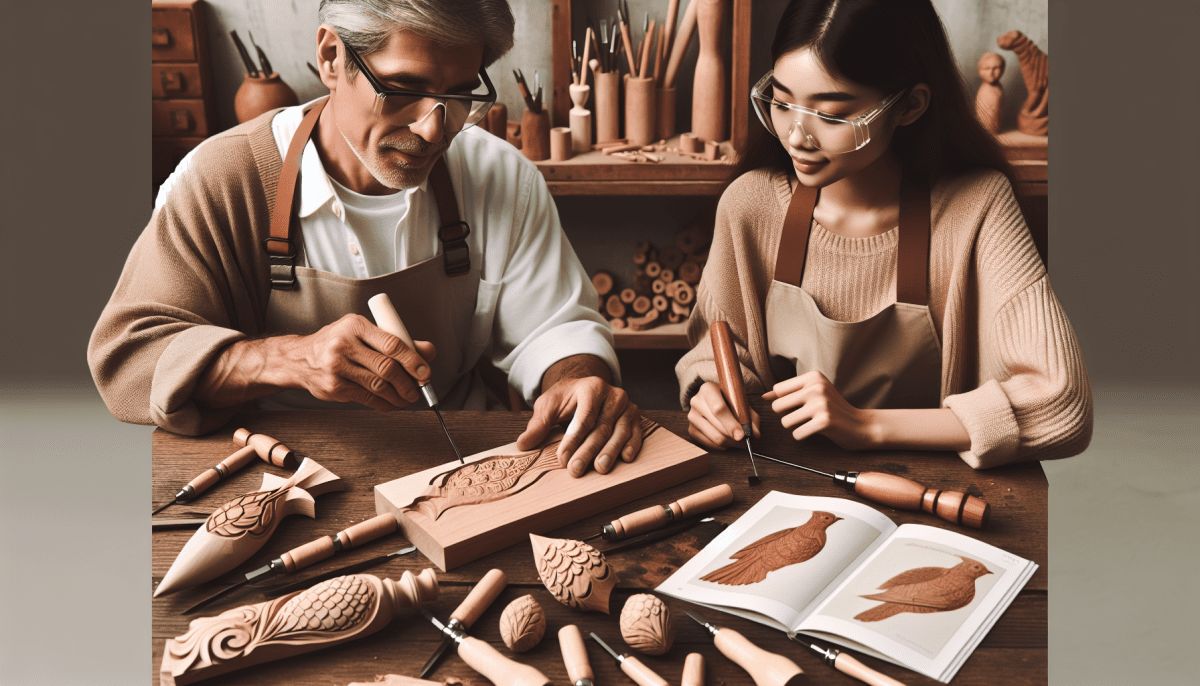
1. Knives: A good carving knife is a must-have. Look for one with a comfortable grip and a sharp blade. You’ll want something that feels good in your hand, as you’ll be spending a lot of time using it. For beginners, a basic whittling knife can be perfect, as it’s versatile and easy to control.
2. Chisels: Chisels come in various shapes and sizes. A gouge chisel is great for making curves, while a straight chisel is perfect for flat surfaces. As a beginner, start with a few essential shapes and then expand your collection as you gain experience.
3. Mallet: A wooden mallet can help you apply extra force to your chisels without damaging them. It's particularly useful for deeper cuts or when working with tough wood. Just remember to choose one that feels comfortable and balanced in your hand.
As you explore woodworking, you'll find that each tool serves its own purpose. With a bit of practice and the right tools, you'll be creating beautiful pieces in no time!
Choose the Right Wood Type
Choosing the right wood type is one of the first steps to successful wood carving. Each type of wood has its own characteristics, and some are better suited for beginners than others. If you don’t know where to start, here’s a quick guide to help you pick the best wood for your projects.
For beginners, softwoods like pine, cedar, and basswood are fantastic options. They’re easier to carve and less likely to cause tool damage compared to harder woods. Basswood, in particular, is a favorite among carvers because it has a fine, even grain that makes detailing a breeze. Plus, it's lightweight, which makes it easy to handle.
Hardwoods such as oak, walnut, and cherry look stunning but can be a bit tricky for newcomers. They require sharper tools and a bit more experience to avoid chips and splinters. If you're feeling adventurous and want to try your hand at hardwoods, choose a project that’s simple and straightforward to build your skills.
Don’t forget to consider the grain of the wood. Wood with a straight grain is easier to work with, while woods with knots or irregular patterns can throw a curveball during carving. When shopping, take a moment to examine and feel the wood; a smooth surface will make your carving experience a lot more enjoyable!
Sharpen Your Skills Gradually
When you're starting out in wood carving, it’s tempting to jump right into complex projects. But taking the time to hone your skills gradually can make all the difference. You’ll feel more confident and enjoy the process much more. Start small! Simple shapes, like spoons or small animals, are great for beginners.
Practice is key. Try setting aside a bit of time each week to carve. Even short sessions can help build your technique and improve your control. Remember, it’s not about how fast you can carve; it’s about enjoying the journey and seeing improvement over time.
As you get comfortable with the basics, challenge yourself with slightly more complex projects. It’s all about building your confidence and skills step by step. Enjoy your time carving, and don’t rush into advanced techniques too soon!
Safety First When Carving
When it comes to wood carving, safety should always be your number one priority. Let's face it, you’re working with sharp tools and hard materials, so it's smart to take precautions. Here are some straightforward tips to keep you safe while you carve.
First off, always wear safety gear. A good pair of cut-resistant gloves can save your fingers from nasty nicks, and safety glasses will protect your eyes from flying wood shavings. You might feel a bit silly at first, but trust me, you'll be glad you've got that extra layer of protection.
Next, it’s crucial to maintain a clean workspace. Make sure your carving area is free from clutter. A messy environment can easily lead to accidents. If you can, use a stable work surface that allows you to comfortably secure your wood piece while you carve. This way, you won’t be wrestling with your material as you work.
Lastly, pay attention to your posture and grip. Sit or stand comfortably and use both hands when handling your tools. Hold your carving knife or chisel firmly, but don’t grip it too tight. You want to have control without straining yourself. If you ever feel tired or unfocused, take a break. It’s better to step away for a moment than to push through when you’re not on your game.